A Refresher on Basic Weather Vocabulary
Welcome back to our weekly blog! Today, we will be having a fun, light-hearted discussion about a topic that concerns us all: the weather. And as we do so, we’ll also take a trip down memory lane to revisit some basic weather vocabulary to help you describe any weather situation , from the calmest days to the most turbulent.
Let’s start with the broad basics. Weather refers to the state of the atmosphere at a particular place and time, as it relates to heat, dryness, sunshine, wind, rain, etc. It is a part of our everyday life and influences much of our activities.
Now, let’s dive into some commonly used weather-related words and their meanings:
1. Sunny: When we say it’s sunny, we mean the sun is shining brightly, with little to no clouds in the sky. This kind of weather often gets associated with happiness and positivity.
2. Cloudy: When there are a substantial number of them in the sky, covering the sun partially or entirely, we refer to the weather as cloudy.
3. Breezy/Windy: These terms relate to wind speed. A breezy day means a light, pleasing wind, just enough to rustle the leaves. On the other hand, a windy day could mean stronger winds, possibly enough to make walking outside a chore!
4. Rainy: On a rainy day, droplets of water fall from the sky, a phenomenon that can range from a light drizzle to a heavy downpour.
5. Snowy: In colder climates, instead of rain, one might experience snowfall. «Snowy» refers to the state of weather when frozen crystals of water fall softly from the sky, usually creating a white blanket on the ground.
6. Hot/Cold: These terms are related to the temperature. A hot day is when temperatures are high and might make you wish for an icy drink while a cold one will have you reaching for your warmest clothes.
7. Humid/Dry: These conditions indicate the level of moisture in the air. Humid weather feels wet and can make the heat feel more intense, whereas dry weather has little moisture, often leading to chapped lips and thirst.
8. Clear: A clear day or night means no clouds obstruct your view of the sun or stars. It’s perfect for a picnic or stargazing!
9. Stormy: This generally refers to turbulent, unstable weather conditions where heavy rain, wind, thunder, and lightning are present.
10. Foggy/Misty: Both of these terms describe situations where visibility is reduced due to tiny droplets of water suspended in the atmosphere near the Earth’s surface.
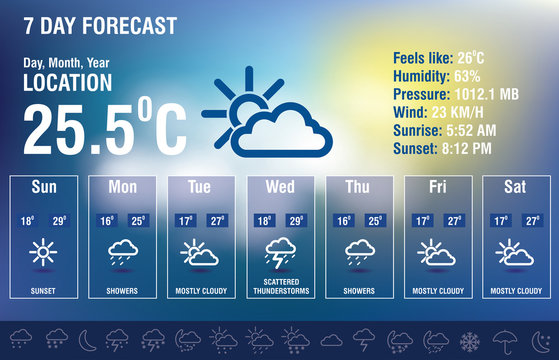
The world of meteorology is vast and fascinating, with numerous terms to learn. But understanding these basic words will help you accurately depict the weather around you and communicate it to others.
Apart from these basic descriptions, English has a range of idioms and expressions when it comes to the weather. Some examples include ‘raining cats and dogs‘ (heavy rain), ‘break the ice‘ (start a conversation), ‘fair-weather friend’ (someone who is only a friend when circumstances are pleasant or profitable).
Remember, practice is key! Try using these terms and phrases in your daily conversations, and soon you’ll find that describing el tiempo en inglés becomes second nature!
Whether it’s sunny or cloudy, raining or snowing, may your language learning journey be as enriching as ever. Keep practicing, stay patient with your progress, and most importantly, have fun!
So, until next time, keep those umbrellas handy, layer up for those snowy days and don’t let some grey clouds dull your English shining through. Just like the weather, language learning also has its seasons – sometimes it’s smooth sailing, (easy) while at others it might feel like you’re going against the wind. (difficult) But remember, every cloud has a silver lining, (there is always something positive) and with consistent effort, learning English can truly be a walk in the park. (easy)
Stay tuned for more such informative posts. Until next time, embrace the weather around you and keep exploring!